The comparison
Kabuki dance in a temple or a Gion walk: which Kyoto evening is better?
A seated two-hour dance session and a two-hour walk through Gion look like rivals on a Kyoto itinerary. They answer different questions, and this guide sets out which one answers yours.
Reserve a place ↗Quick answer
Choose the temple session if you want to sit down, hear one art form explained and watch it performed; choose the Gion walk if you want to be outdoors on foot, seeing an old district street by street. Both run for about two hours and both show free cancellation on their booking pages, so the decision comes down to pace and curiosity. The temple dance has a 5.0 from 17 reviews, the Gion walk 4.9 from 1,242. The walk has the deeper track record, the dance the more specific promise. If you only have one evening and cannot decide, ask yourself whether you would rather learn what a fan means or see where the teahouses stand.
Two Kyoto evenings compared
| Kabuki dance at Saisyu-ji | Gion hidden-gems walk | |
|---|---|---|
| Format | Seated session in a temple hall | Guided walk on foot |
| Length | Two hours | Two hours |
| Focus | One art form: kabuki and buyō dance | An old district: teahouse streets, temples and shrines, going by its summary |
| What is included | Matcha, Japanese sweets, a talk, two or three dances, photos with the dancer | A local guide and the walk, going by its summary; a private option is shown |
| Rating | 5.0 from 17 reviews | 4.9 from 1,242 reviews |
| Weather | Indoors in a temple hall | Outdoors, so rain, heat and cold matter |
| Physical demand | Sitting for most of the session | Walking and standing, with stops |
| Cancellation | Free cancellation shown | Free cancellation shown |
These are not really rivals
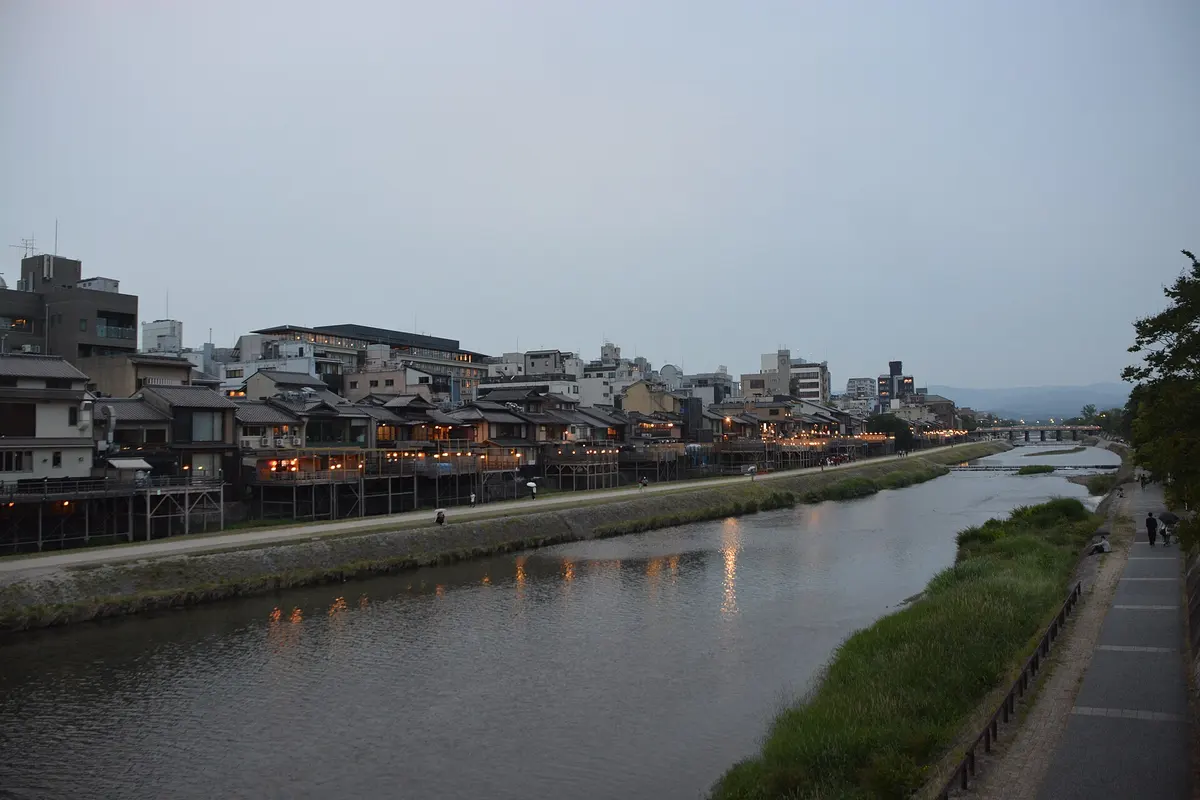
On a list of things to do in Kyoto both options look like the same slot: about two hours, in the evening or the late afternoon, with a Japanese cultural flavour. In practice they feel quite different. The temple hour is a lesson and a recital, held in one room with one dancer. The Gion walk is a moving conversation, held on pavements and lanes with a guide, and its subject is a neighbourhood rather than an art form. A traveller who has only a single free evening usually has a clear leaning once the difference is said aloud: some people want to sit and be shown, and some want to wander and be told.
The temple session in detail
The booking page describes a Kyoto cultural exchange association running the session at Saisyu-ji Temple. It begins with matcha and Japanese sweets, continues with an introduction to kabuki and traditional dance, and moves to two or three dances by a professional dancer, with photos at the end. Reviewers praise the English explanations. The listing gives two hours and shows free cancellation and a pay-later choice. The temple sits a 10 to 15 minute walk from Kyoto Station and from Gojo subway station, per the booking page. The distinguishing quality is concentration: everything in the two hours points at a single art, and by the end a visitor can describe what a fan is doing in a dance, which is more than most travellers can say about any performance they have seen.
The Gion walk in detail
The Gion booking page, going by its summary, describes an experienced local guide leading a walking tour of Gion, the district known for teahouses, temples and shrines. It lasts two hours, shows free cancellation and mentions a private option. It carries a 4.9 rating across 1,242 reviews, so the track record is much deeper than the temple session's. The point of such a walk is atmosphere: you walk through the teahouse streets and hear about the temples and shrines, going by the summary. What you do not get is a close look at a single performance, and you are at the mercy of the weather and the crowd on the street.
Seeing versus understanding
A useful way to split the two is that the walk gives you scenery and the session gives you vocabulary. Kyoto is full of scenery and it is easy to find. The vocabulary is harder to pick up on your own: nobody explains, in the middle of a street, why a performer holds a fan the way they do. That is the gap a short introduction fills, and it is why many visitors who have already walked old streets find the dance more memorable. Kyoto Travel notes that nihon-buyō conveys themes such as romance, seasons or legends through body movement and a fan, and says that it welcomes beginners, which is what makes a short session approachable.
Rain, heat and legs
The practical contrast is bigger than it looks. A walking tour suffers in a downpour, in the summer heat or on a cold night, and it demands that you stay upright for two hours. A seated session does not care about any of it, which makes it a natural wet-weather swap. For a companion who tires easily, or after a day already spent on foot, the temple hall is the kinder choice. If instead you have been indoors in museums for days, the walk gives you air and movement.
Value and track record
The temple session has 17 reviews against the walk's 1,242. Nothing there should put you off, but it does mean reading the booking page closely, check the cancellation terms, and treat the praise as early and specific rather than settled. The walk is the safer bet for a traveller who values a long record. The dance is the better bet for one who values a specific, unusual experience and is comfortable being one of the first to review it.
Taking both
You can book both on different evenings, and they complement each other: the walk gives you a feel for the streets where Kyoto's entertainment culture grew, and the dance explains one of its art forms. If you do both, do the dance first. A short history of kabuki, which Wikipedia says began on the dry Kamo riverbed in Kyoto around 1603, gives the streets a story before you wander through them.
Booking details that change the answer
Study the fine print on both pages before you commit. Both listings show free cancellation, which means a booking can be held while plans settle. The walk offers a private option, handy for a family or small party wanting its own pace, whereas the dance session is a shared, seated gathering. Finally, check the language of each booking: the dance reviewers praise the English explanations, and the walk's language options appear on its calendar.
A simple rule of thumb
Pick the temple session if your sentence starts with "I want to understand" and the walk if it starts with "I want to see". Pick the session if rain is forecast. Pick the walk if you are deciding at the last minute, since the dance session is small and can fill. And if you are travelling in a group of mixed interests, remember that the dance asks everyone to sit quietly for two hours, while a walk lets restless members drift to the back.
Frequently asked questions
Which is better for a first visit?
It depends on the mood. The dance explains one art form indoors; the walk shows an old district outdoors.
Which has more reviews?
The Gion walk, with 1,242, against 17 for the temple session on 19 November 2026.
Which is better in the rain?
The temple session, which is held indoors, going by the booking page.
Is booking both possible?
Yes, on separate evenings; each page shows free cancellation.
Sources